I unintentionally learned a lot of skills from video games, of all things.
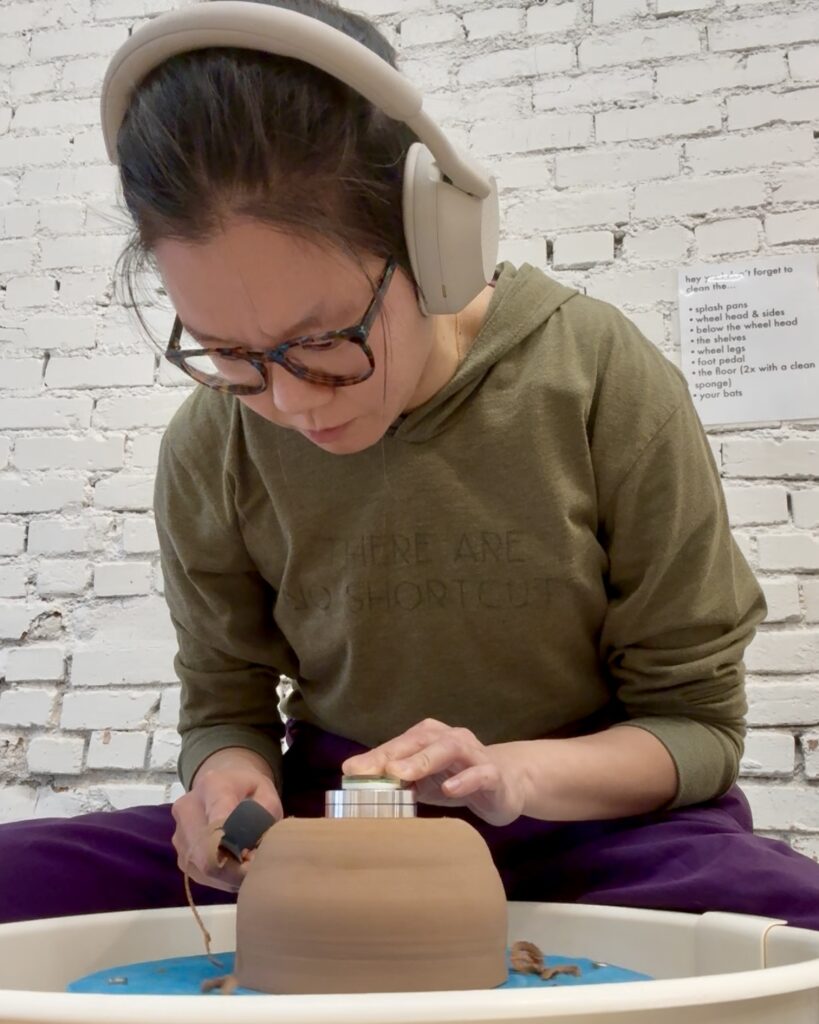
I recently started listening to video game music while creating at the studio. I didn’t think much of it other than life is better with a soundtrack, and that it was probably a good choice because it’s meant to be background music while you’re doing other things… like pottery.
Some of the tracks brought me back to where and when I was when I played those games. The town music was relaxing. The dungeon or temple music put my brain into problem-solving mode. The battle music spiked my cortisol (and was immediately skipped). And it made me think about how much video games were such a big part of my life, until they weren’t.
I actually don’t remember a time before video games. I was only a toddler, yet I vaguely remember playing my Atari (I guess it was my dad’s Atari), with its joystick-and-single-button controller. I also kinda remember the Christmas I got the OG chunky gray Game Boy with a huge carrying case that included slots for the game cartridges and a Lightboy, an attachable light and magnifier! I definitely remember playing games on our original Nintendo console, hooked up to the boxy TV. My favorite Nintendo game was Chip N Dale, Rescue Rangers. I always played as Chip, and my little brother played as Dale (side note: I think as adults, he’s more of a Chip and I’m more of a Dale now!).
The consoles changed over the years. What we didn’t have at home, we played every weekend at our cousins’ houses. Super Nintendo. PlayStation. Sega Genesis. Sega Saturn. New versions of the Game Boy. New versions of the PlayStation. N64. Wii. My brother and I were mostly PlayStation kids, and I think I’ve touched an Xbox exactly once. Controllers got sleeker, graphics improved, sounds and music got crisper — but the play stayed the same. Sit down. Focus (or as the kids say, “lock in”). Destroy some monsters. Solve some puzzles. Die. Try again.
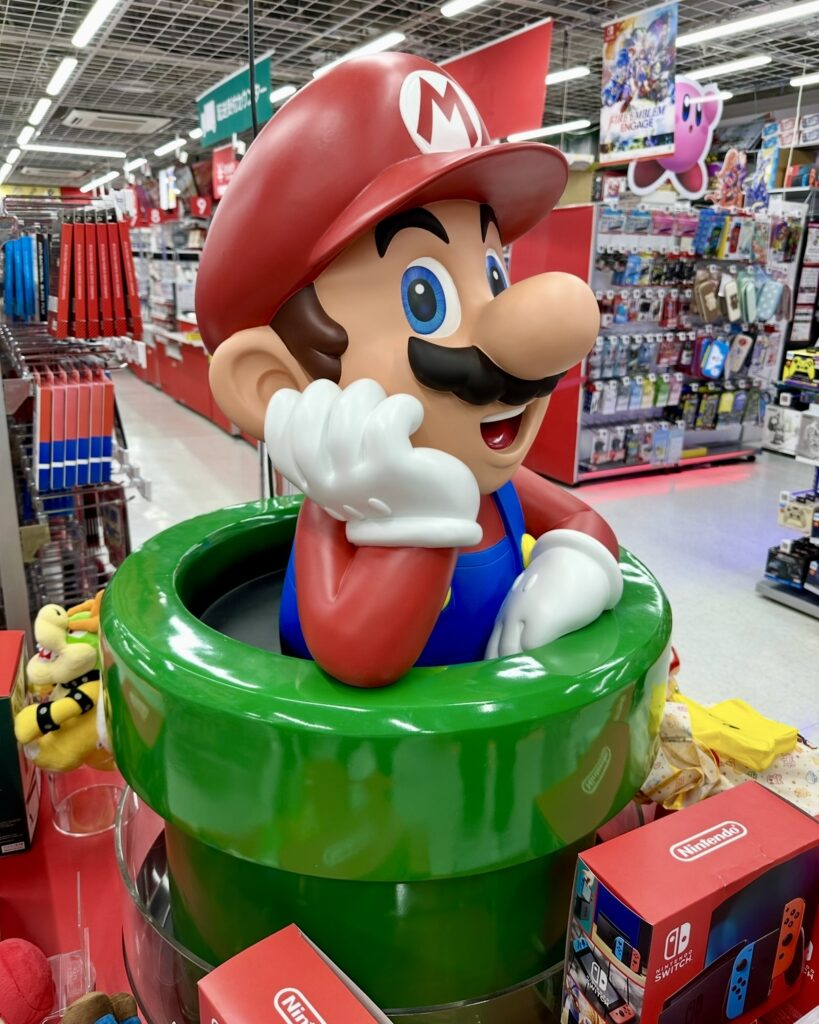
At some point, I stopped playing.
It wasn’t a dramatic decision. I didn’t renounce games or declare them a waste of time. They just fell away, right around the time I started working full time, which feels telling in retrospect. Adulthood crowded out play, and I didn’t really question it. That’s just what happens, right?
I’ve always told my parents that video games taught me some of the most foundational skills. Admittedly, I was reaching for reasons to stay up late playing games, or spend hours in front of the TV instead of playing outside. Doesn’t make it any less true.
What I didn’t realize until later: I was learning how to learn.
I played Japanese RPGs (role-playing games where you assume the role of a character progressing through a storyline) before voice acting was standard, which meant reading was mandatory. Dialogue boxes, item descriptions, weapons classes, menus, lore. If you didn’t read, if you didn’t pay attention, if you didn’t know how to put two and two together, you didn’t progress. There was no way around it. There were plenty of times I got stuck for hours because I read a map wrong, or I couldn’t defeat a boss because I wasn’t paying attention to the random town villager telling me a very key detail about what his weakness was.
This kind of reading wasn’t passive. You had to infer meaning, remember details (or write them down — was it just me?), connect threads, and realize patterns. You learned through context and repetition. After watching an unskippable cutscene for the fifth time, oh, you learn. You learned that understanding came gradually, not all at once. And you learned to be OK with not fully understanding something the first (or fifth, or fifteenth) time. Looking back, that feels like an early lesson in navigating complexity without panicking.
Then there were the puzzles. The actual puzzles. (The temple puzzles in Final Fantasy X are what I’m thinking about right now, because they were especially grueling for me.)
Games didn’t really explain themselves back then. There weren’t always glowing arrows telling you where to go. You tried things, and sometimes they worked, and sometimes you found yourself free-falling down an abyss (cue Mario failure music here). If you were really stuck, maybe you asked a friend. Maybe you begged your parents to buy you a “strategy guide” from GameStop (before they were widely available online) because how the hell do you get out of this maze?
What games taught me here was patience with being stuck. Not everything is immediately solvable. Not knowing is not a failure state. Sometimes progress looks like circling the problem until your brain catches up. Sometimes you just have to walk away from a problem and come back to it later. That lesson has aged surprisingly well.
And then there was failure — constant, expected, unremarkable failure. You died. A lot. You respawned at a save point, sometimes — oftentimes? — way before you’d like it to be. You tried again. (If I’m not mistaken, Super Mario World on SNES allowed you to save only very infrequently.)
Failure wasn’t personal. It just meant you mistimed a jump, or chose the wrong move, or hadn’t understood the pattern yet, or just didn’t have enough experience. What that built was grit. Not the hustle culture kind, but the calm, boring kind, lol. The kind where you don’t spiral when something doesn’t work the first time. The kind where iteration is normal and persistence is rewarding. The kind you build when you realize that picking Charmander as your starter Pokemon maybe wasn’t the best choice against the Rock Gym and Water Gym. In a lot of adult environments, failure feels high-stakes and shame-laced. In games, it was just part of the loop, part of the fun that sometimes didn’t feel like fun.
I also played a lot of racing and fighting games, which trained a different set of skills.
Racing games taught timing and spatial awareness, and how to drive at high speeds (which may or may not have translated directly to real life…).
Fighting games taught pattern recognition, anticipation, adaptation, and muscle memory.
Both taught me how to compete. Most of the cousins I spent time with growing up were the boys, and I learned how to take a virtual beating — and what to do to fight back and win. (They learned how not to be sore losers for losing to a girl!)
Video games taught me that mastery isn’t talent — it’s repetition and iteration. It’s showing up again and again until something clicks. There’s no shortcut. There’s just time and attention.
At some point, the games changed. They moved online. They became more social, more optimized, and more monetized (you want me to buy a monthly subscription to play a game?!). Play became performative. You weren’t just playing — you were being watched, ranked, and compared. Fun started to feel like work. That made me lose interest. This isn’t a critique of online gaming so much as a recognition of what I personally lost: solitary play. Offline focus. The freedom to be bad at something in private, with low stakes.
What I’m still unpacking is what it would look like to reclaim some of those early lessons — iteration without shame, patience with complexity, joy without optimization — in a world that increasingly treats every activity as something to measure, share, or monetize (yuck).
This reflection somehow led to “ugh! these systems and society we live in!” but hey, that’s the beauty of writing, right?
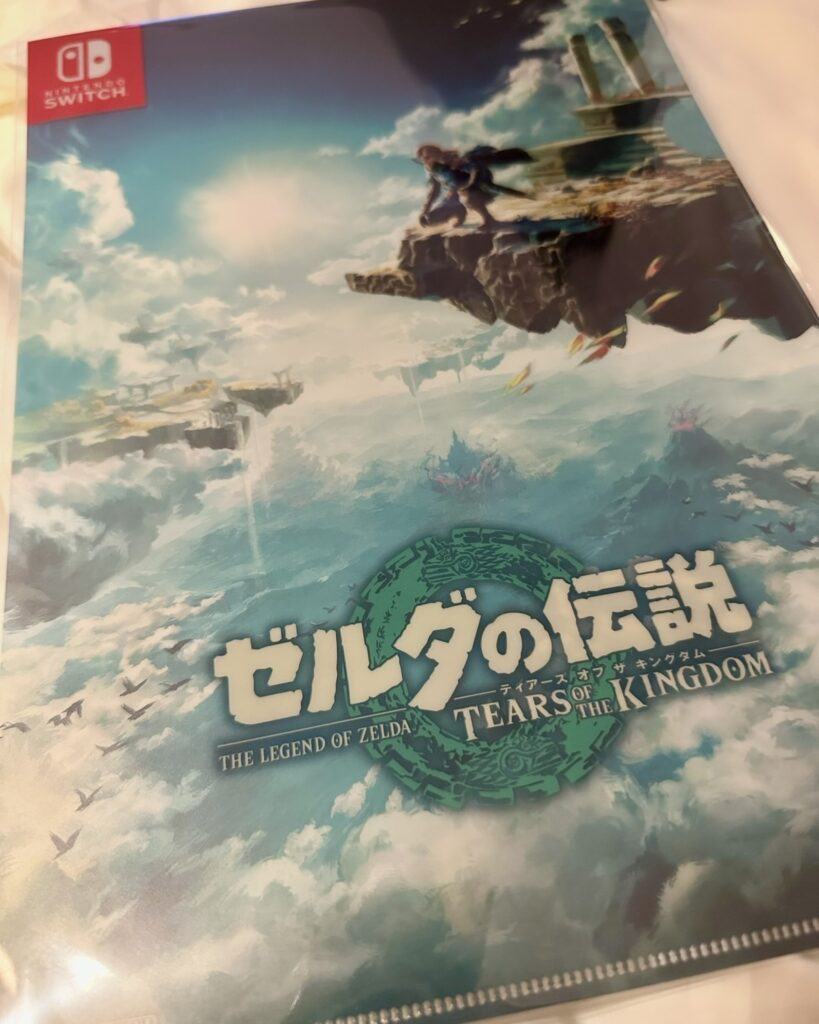
By the way, after many years of not gaming, I do have a gaming console in my house once again: a Nintendo Switch we bought a few years ago. We bought it because The Legend of Zelda: Tears of the Kingdom was supposed to be the new hotness, but I played it and got really stuck and never picked it up again, ha. We mostly play Mario Kart now, but I might have just inspired myself to properly game again.
Leave a Reply