My fried rice is sometimes made with Costco chicken. It’s still real.
Whenever my mom tells me about a new Chinese restaurant she’s tried, she tells me how authentic (or not authentic) it is.
When she says a place is authentic, she means it as a compliment — this place is the real thing, you’d love it. And I believe her. But the word “authentic” makes me grimace; it doesn’t sit right with me. Authentic to whom, exactly? Authenticated by what? Is there a council? Do they have a stamp? (They do not have a stamp.)
The thing about “authentic” as a descriptor for food, especially Chinese food, especially Chinese food made in America, is it’s a word that sounds like a compliment and functions like a trap. When a reviewer calls a restaurant authentic, they mean it as high praise — “this is the real thing, this is legit, you can trust it.” But implicit in that praise is its shadow: the not-authentic, the lesser, the performed version of a cuisine that exists for people who don’t know any better.
And who decides? Usually not us.
My “inauthentic” dish, the one that’s most mine, the one I come back to, the one I make without a recipe, is fried rice. Whatever’s in the fridge. Sometimes leftover Costco rotisserie chicken, sometimes whatever orphaned veggies are in the crisper drawer, some frozen peas, an egg or two, some combination of soy sauces and sesame oil. It takes twenty minutes. It tastes exactly right.
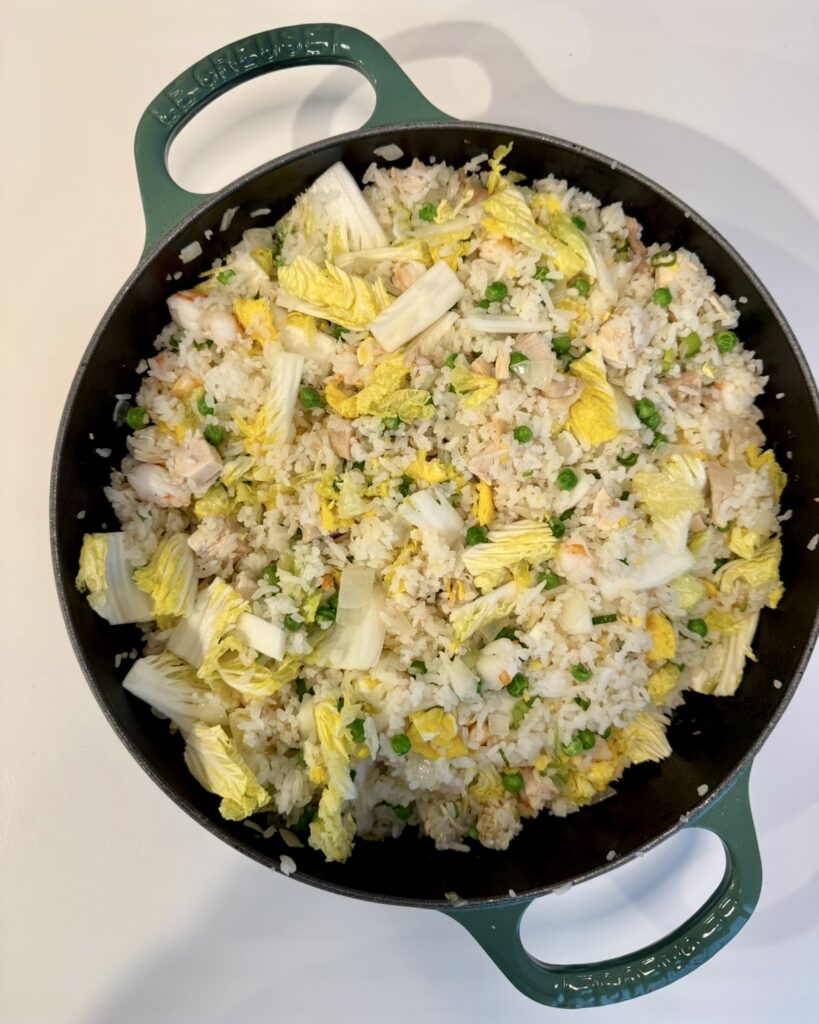
Would a food critic call it authentic? Almost certainly not. It doesn’t follow any canonical regional recipe. It’s not from anywhere specific. It’s from my kitchen, on a Tuesday, with a $5 bird we picked up while bulk-purchasing gummy bears.
Is it less real because of that?
The word I actually want to use is “traditional”. When a stranger says something is authentic in a review, it just means “I have decided what the real version is, and this isn’t it.” Traditional means it follows a method, a lineage, a set of techniques passed down and replicated with intention. You can say a dish is traditional without implying that the chef’s grandmother’s version, or the version made with ingredients available in Colorado in 2026, or the version adapted for a dining room that is not in Toisan, is somehow a fraud.
“Traditional” acknowledges that food travels. “Authentic” pretends it doesn’t.
Chinese food has traveled. It traveled when my grandparents immigrated from Myanmar to New York City. It traveled through generations; I cook some of the things my Po Po used to cook. And it traveled when Chinese restaurant owners in America looked at their new customers, their new context, their new everything — and adapted. On purpose. With skill. The Chinese takeout menu is one of the great acts of culinary translation in American food history. General Tso’s chicken? Invented by a Hunanese chef in Taiwan in 1955, sweetened and deep-fried to American tastes by a New York chef in the 1970s, and so unknown in China that when the original chef tried to introduce it back home, nobody wanted it. The dish traveled so far it couldn’t go back. Crab rangoons? They were invented at Trader Vic’s, a tiki bar in San Francisco. (Yes, the tiki bar that claims to have invented the mai tai. lol.) Both now so embedded in the Chinese-American takeout canon that people order them as if they’ve existed for millennia. That’s not inauthenticity. That’s invention.
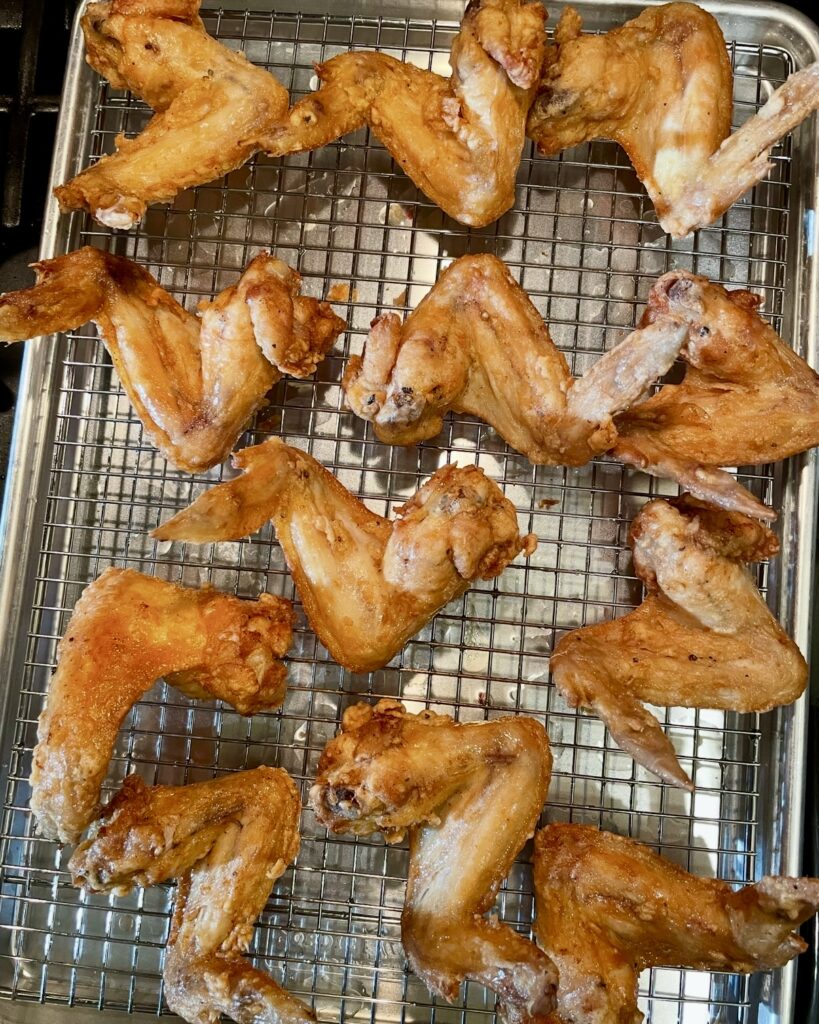
Every diaspora cuisine is a living document of that travel — what you kept, what you swapped out, what you invented because you missed something and had to approximate it with whatever ingredients were on hand. That improvisation isn’t inauthenticity. It’s history. And in the case of Chinese-American food, it’s also just good business sense dressed up as culinary instinct.
When a reviewer docks stars because the mapo tofu isn’t “authentic” enough, I want to ask: authentic to which decade? Which province? Which family? Sichuan cuisine has changed over centuries. It’ll keep changing. Every cook who makes it puts something of themselves into it.
There’s also something specifically uncomfortable about who tends to wield the word. When a non-Chinese reviewer calls a Chinese restaurant inauthentic, they’re implying they have a clearer idea of what Chinese food should taste like than the Chinese person who cooked it. That’s a sentence I could keep unpacking forever, but I’ll just leave it there and let it be weird.
I wrote this whole essay and I’m still not going to have this discussion with my mom. That feels like the most important thing I’ve said here, ha.
Leave a Reply